
EN-ES
English-Spanish interpretation
Zoom
Meetings, webinars and virtual sessions
Setup
Interpreter assignment and language channels
Prep
Agenda, glossary, rehearsal and participant guidance
Zoom Interpretation for Business Meetings, Trainings and Webinars
This page is for companies, trainers, event organizers and executive teams that need a human interpreter for a scheduled Zoom meeting involving English- and Spanish-speaking participants in Mexico.
CABI helps coordinate the interpretation flow before the meeting begins: language direction, interpreter assignment, meeting format, materials, rehearsal, participant instructions and the practical limits of Zoom interpretation features.
Best fit for
Common Zoom Meeting Use Cases
Zoom interpretation is not only for large events. Many buyers need support for smaller but high-stakes conversations where tone, timing and terminology matter.
Business and Executive Meetings
For client calls, cross-border coordination, board meetings, vendor discussions and partner communication that cannot rely on automatic captions alone.
Online Training and Workshops
For virtual training, certification, onboarding, software instruction and workshops where participants need to ask questions in real time.
Webinars and Hybrid Sessions
For webinars, bilingual audiences and hybrid events where some participants join remotely through Zoom while others follow from another location.
How Zoom Interpretation Works in Practice
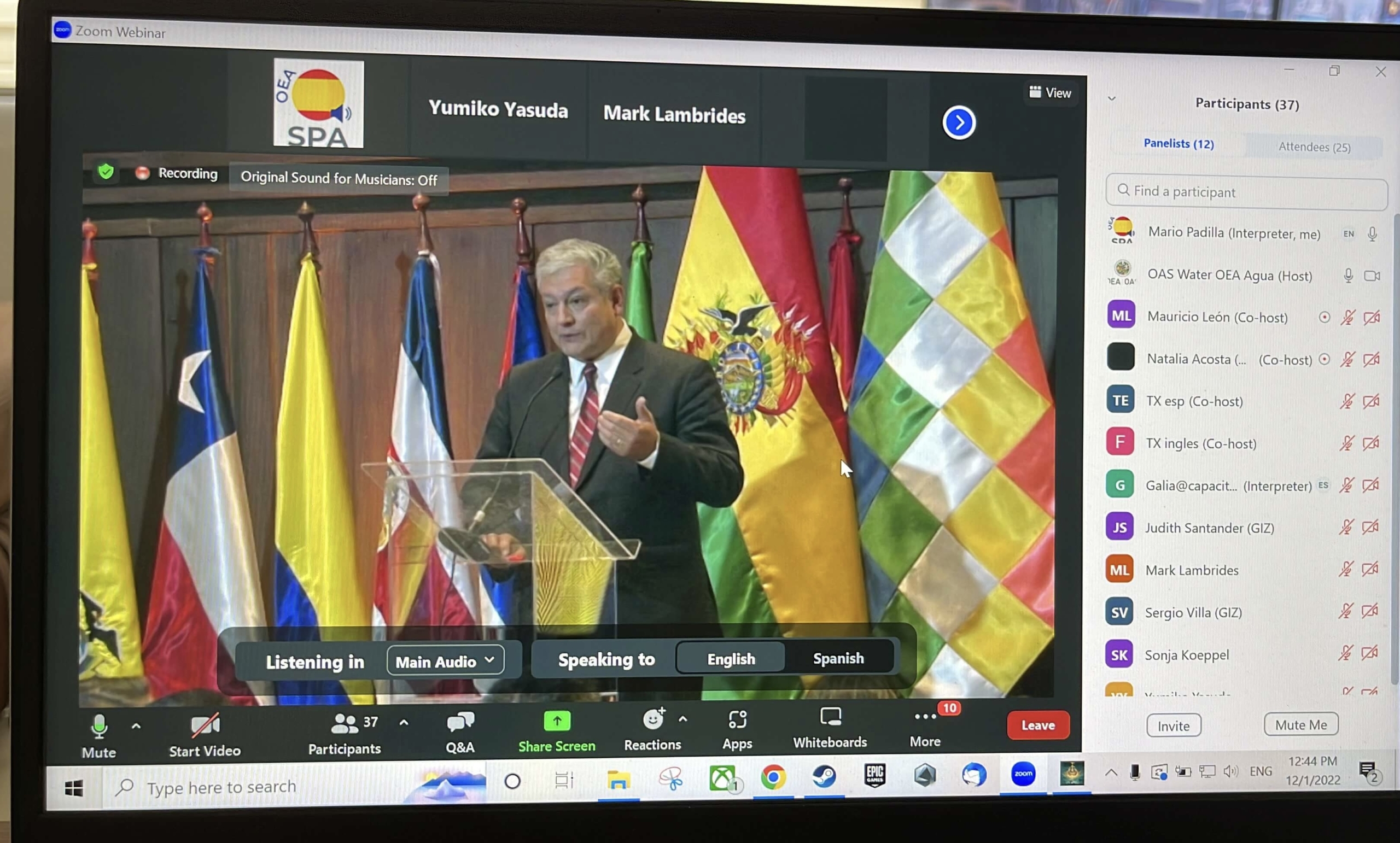
Zoom interpretation requires planning before the session. The meeting should be scheduled in advance, the interpretation feature should be enabled on the Zoom account, and the interpreters need to be assigned correctly.
Participants should join with computer audio so they can select the interpretation channel, and the meeting flow should be tested before the live session starts.
Key practical points
What We Need Before the Zoom Meeting
The strongest virtual interpretation starts with preparation. Send the meeting details early so the interpreter can arrive ready for the topic, speakers and Zoom workflow.
1. Meeting Scope
Date, time zone, duration, Zoom meeting or webinar, number of speakers and number of participants.
2. Materials
Agenda, slides, script, glossary, speaker names, acronyms and any technical or internal terminology.
3. Zoom Setup
Whether interpretation is enabled on the account, how the interpreters will be assigned and who the technical contact is on the client side.
4. Rehearsal
Audio check, interpretation controls, participant instructions, recording plans and any changes in speakers or agenda.
Human Interpreter vs Captions or AI Translation
Automatic captions can help in low-risk situations, but they do not replace a professional interpreter when the meeting includes negotiation, technical explanations, training, executive discussion or sensitive internal communication.
A human interpreter can prepare terminology, follow speaker intent, manage live interaction and help the meeting move forward when nuance matters.
CABI can also tell you whether a single interpreter is enough or whether the duration and intensity call for a team.
Interpreter for Zoom Meetings FAQ
Do we need a special Zoom setup for interpretation?
The meeting should be scheduled correctly and the interpretation feature should be enabled on the Zoom account in advance. Interpreter assignment and participant instructions should also be confirmed before the session.
Can one interpreter cover the whole Zoom meeting?
It depends on duration, intensity, language direction and meeting format. Shorter sessions may need one interpreter, while longer or more demanding meetings may require a team.
Do participants need to do anything during the meeting?
Yes. Participants should receive simple instructions in advance so they know how to select the interpretation channel and join audio correctly before the meeting starts.
Is Zoom automatic translation the same as hiring an interpreter?
No. Automatic tools may help in lower-risk cases, but a human interpreter is stronger for business-critical, technical, legal, executive or training conversations where nuance matters.
Can interpreted Zoom meetings be recorded?
Recording needs should be discussed before the meeting because Zoom recording behavior changes depending on how the session is recorded and which audio the recorder can access.
How far in advance should we request a Zoom interpreter?
As soon as the date, time, topic and language pair are known. Earlier notice helps with interpreter availability, terminology preparation and rehearsal planning.