

Remote Interpretation for Hybrid Events: What You Need to Know
By Mario Padilla — CABI Intérpretes y Traductores
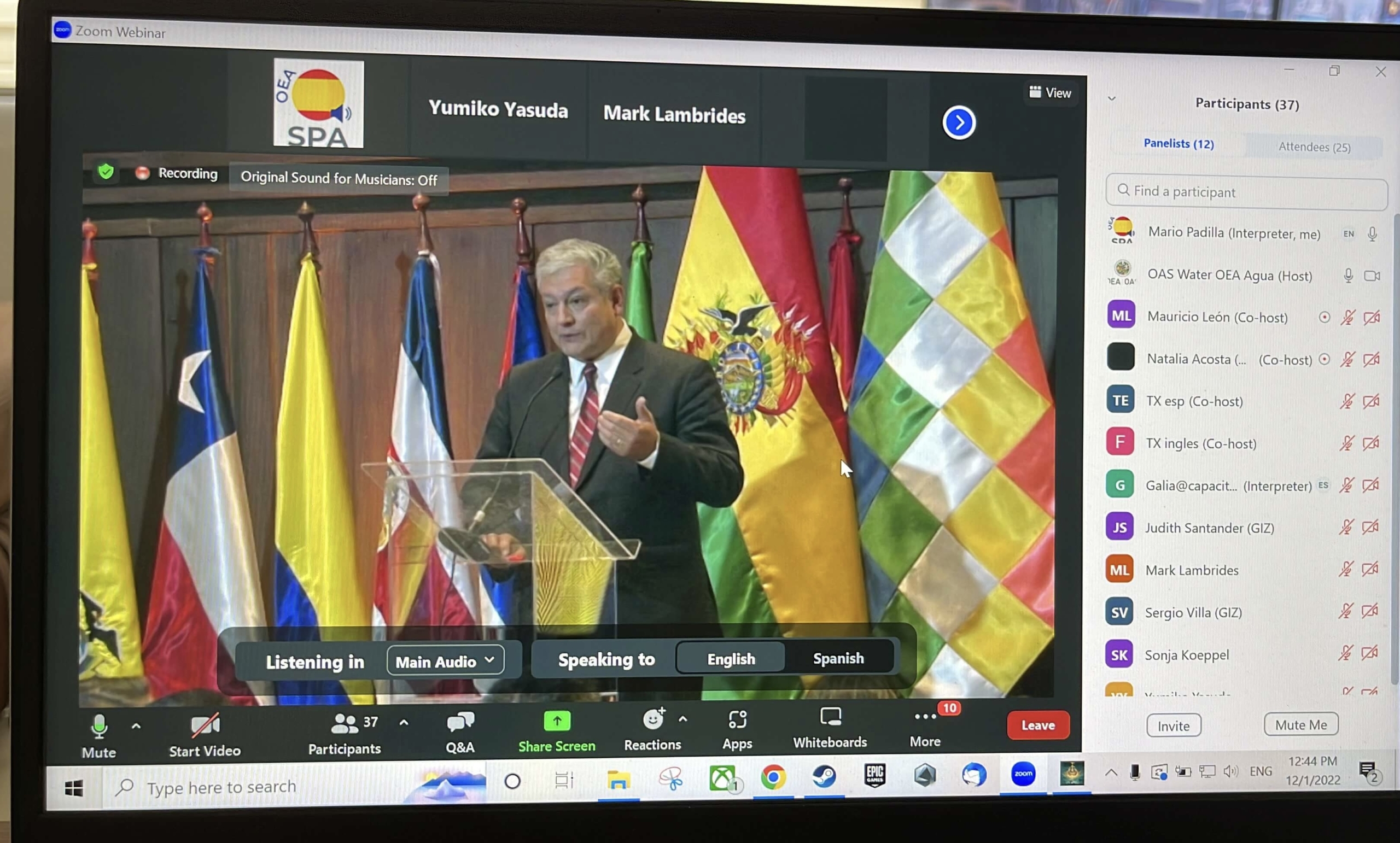
As hybrid events continue to grow in popularity, remote simultaneous interpretation (RSI) has become an essential tool for ensuring smooth multilingual communication.
When properly implemented, RSI allows both in-person and online participants to enjoy the same high-quality experience—clear audio, real-time interpretation, and seamless interaction.
What Exactly Is a Hybrid Event?
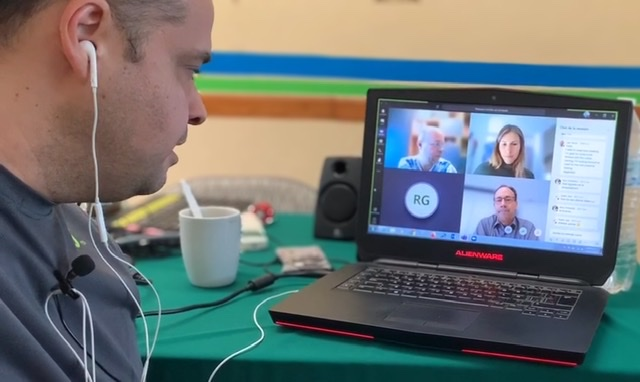
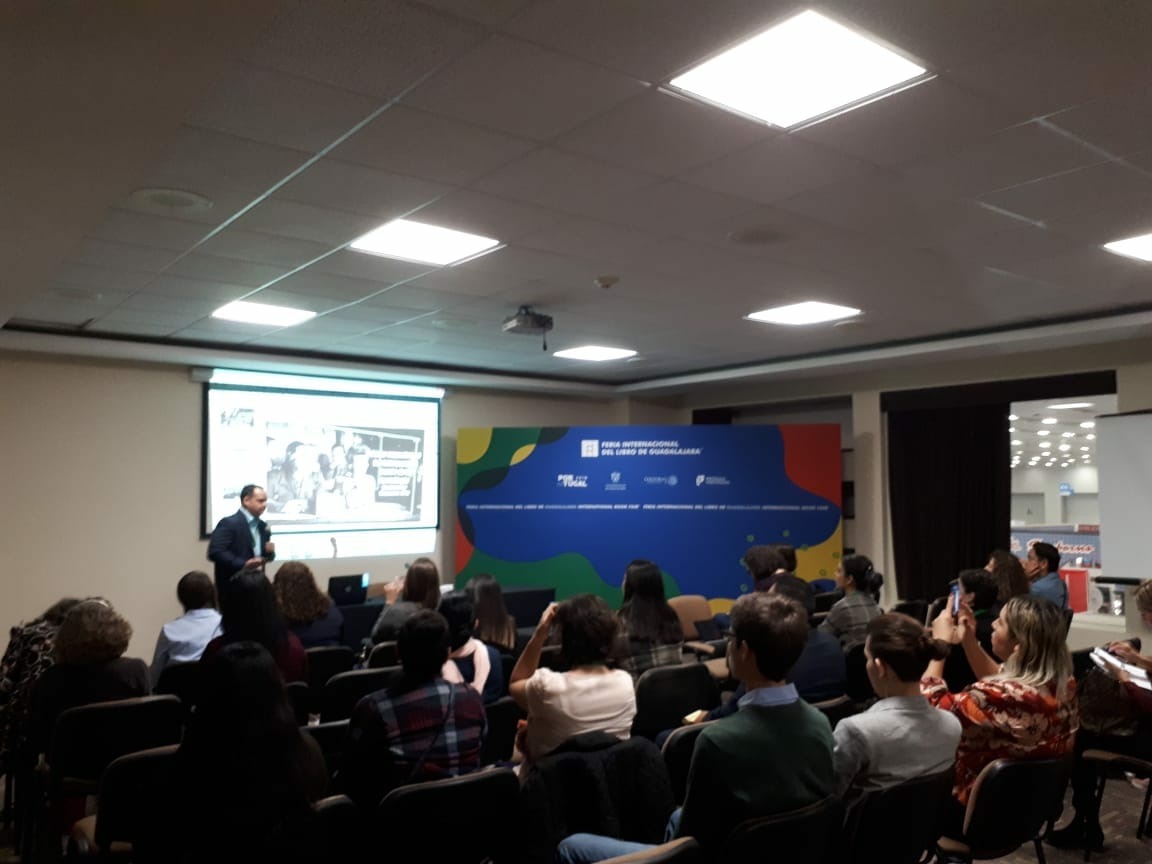
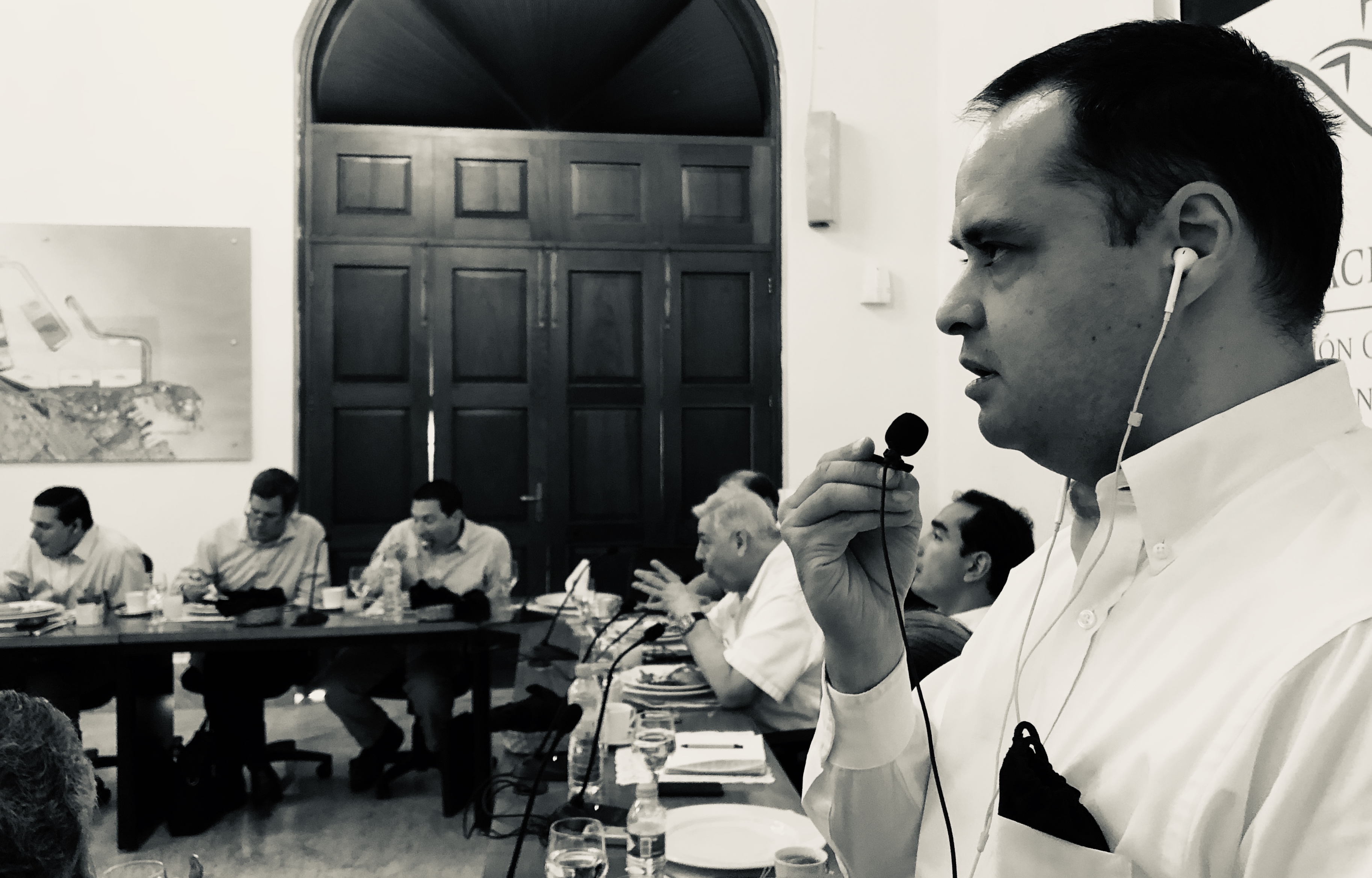
A hybrid event is one in which some participants—such as speakers, moderators, or attendees—are physically present at the venue, while others join remotely through a videoconference platform like Zoom.
Because the event happens simultaneously online and onsite, interpreters must be able to clearly hear every speaker and follow all shared content in real time.
One major advantage of hybrid interpretation is that in-person participants can log into the virtual platform from their own devices and listen to interpretation directly—just like remote attendees.
This eliminates the need for traditional receivers and headsets, creating an inclusive and cost-efficient multilingual environment.
Technical Requirements for Remote Interpretation at Hybrid Events
To guarantee high-quality interpretation, it’s important to ensure the following conditions:
📌 Equipment at the Venue
All equipment used onsite—microphones, cameras, audio systems, and mixing consoles—must be provided by the client.
📌 Reliable Internet Connection
The venue must have a stable, high-bandwidth internet connection to ensure excellent audio and video throughout the event.
📌 Hard-Wired Internet for the Main Computer
The computer hosting the videoconference platform should be connected via a dedicated Ethernet cable—not Wi-Fi.
📌 Clear Audio from Onsite Microphones
All microphones used at the venue must feed clear audio into the videoconference platform so interpreters can follow every speaker without interruption.
📌 Screen Sharing for Presentations
Any presentations or visual materials shown onsite should also be shared directly in the videoconference so interpreters and remote attendees can view them in real time.
📌 Proper Analog-to-Digital Audio Conversion
Any analog audio sources must be converted to digital using a mixer or audio interface, and then sent to the main computer to ensure a clean, stable feed for interpreters and remote listeners.
Recommended Platform
We recommend Zoom, as it offers dedicated audio channels for simultaneous interpretation and has proven to be one of the most reliable platforms for hybrid setups.
Need Help Planning Your Hybrid or Virtual Multilingual Event?
At CABI Intérpretes y Traductores, we specialize in interpretation for virtual and hybrid events, helping organizations—large and small—create smooth, multilingual experiences.
If you’d like us to review your technical setup or prepare a customized proposal for your upcoming event, please contact us through the link below:
👉 Click here to request a quote for your event.
We’ll be happy to support you at every stage of your multilingual event planning.




Deja tu comentario